
New or changing spots are often first noticed at home. Becoming familiar with your moles, freckles and other skin marks can make it easier to recognise when something looks different. Regular self-checks are useful between professional appointments, as you are the first person to notice changes in your skin that may need further assessment.

However, checking your skin at home can help you notice changes but does not replace a professional skin check. A GP can examine areas that are difficult to see, assess a spot more closely and arrange further investigation when needed.
This guide explains what home and GP skin checks involve, what each can and cannot identify, when to seek medical advice and what may happen if a suspicious change is found.
How Can You Check Your Skin?
Use the same routine each time in a well-lit room and examine areas that normally receive little sun. Check your face and scalp, including your face, nose, lips, ears and behind your ears; part your hair in sections or ask someone to help check your scalp. Check your upper body, including your neck, shoulders, chest, abdomen, sides, underarms, arms, hands, palms, fingers and nails.
Use two mirrors or ask someone you trust to examine your neck, shoulders, back, buttocks and the backs of your arms. Inspect the front, back and sides of your legs, as well as your feet, soles, heels, toes and spaces between your toes. Remember to check skin folds and, as far as you feel comfortable, the groin and genital area.
Track any changes by recording the spot’s location and the date you noticed it. Photographs can help show changes over time, but should not delay a GP appointment.
What Can You Notice at Home and What Requires Professional Assessment?
A home skin check can help you notice a spot that is new, changing, unusual or different from your others. Concerning changes are not always dark or raised. They may be pale, red, scaly, sore or slow to heal.
Look for a new mole, lump, patch or persistent spot; changes in size, shape, colour, height or texture; an irregular, notched or spreading border; uneven colouring or several colours within one spot; an “ugly duckling” spot unlike your other marks; a sore that does not heal or repeatedly breaks down; unexplained bleeding, crusting, itching, tenderness or inflammation; a persistent thickened, red or scaly area; a small pearly, pale or red lump; or a dark area beneath a nail without a known injury.
The ABCDE guide covers Asymmetry, irregular Border, uneven Colour, Diameter and Evolution. It can support self-checking, but you cannot confirm or rule out skin cancer from appearance alone. Early changes may be subtle, harmless and cancerous spots can look similar, and areas such as the scalp, back, soles and beneath the nails can be difficult to inspect. A home check also cannot provide dermoscopy, clinical risk assessment or pathology. Arrange a GP assessment for any new, growing or changing spot rather than relying on a checklist, photograph or app.
Skin Check at Home vs GP Skin Check
Self-checking helps you recognise change, while professional assessment adds clinical examination, equipment and access to testing.
| Comparison area | Skin Check at Home | GP Skin Check |
|---|---|---|
| What you can notice or assess | New spots, visible changes, symptoms and spots outside your normal pattern | Clinical features, overall skin pattern, difficult areas and personal risk |
| Benefits | Convenient and useful between appointments | Systematic examination, dermoscopy where available and follow-up |
| Limitations | Cannot diagnose cancer, assess microscopic features or reliably inspect every body area | Visual examination cannot confirm every diagnosis, and no check can guarantee every cancer will be found |
| When to seek professional help | When a spot is new, changing, unusual, bleeding, symptomatic or not healing | When monitoring, photography, biopsy, treatment or referral is clinically indicated |
| When further assessment may be needed | A concerning finding needs medical review | An uncertain finding may require biopsy, pathology or specialist review |
What Happens During a Professional Skin Check With a GP?

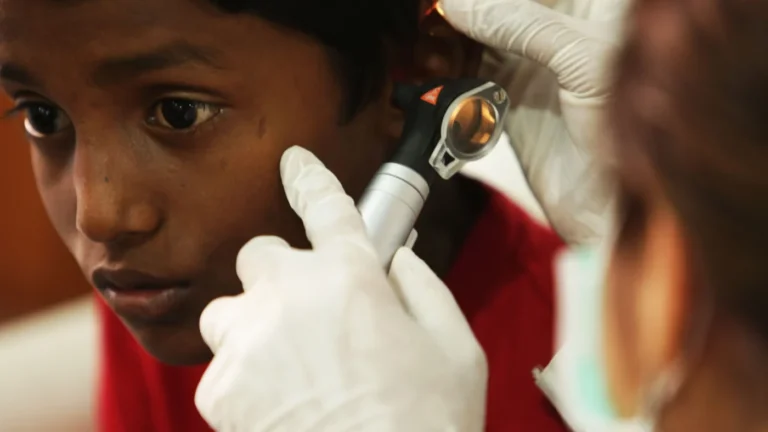
A GP check covers your history, skin examination and a plan for any findings. It may focus on one spot or your whole body, so tell reception what you need when booking: history and risk, where the GP asks about changes, symptoms, sun exposure, previous cancers, family history and relevant health factors; consent, where the GP explains the examination and, for a full check, you may be asked to undress to your underwear, but you can decline any part; examination, where the GP systematically inspects the agreed areas and any specific concerns; closer assessment, where a dermatoscope may magnify selected lesions, which may also be measured or photographed; and a plan, where the GP explains whether monitoring, biopsy, removal, treatment or referral is recommended.
Doctors may use a dermatoscope, but a biopsy can be needed because appearance alone cannot confirm cancer.
What Can a GP Identify That Is Difficult to Notice at Home?
A GP may recognise subtle asymmetry, pigment structures, blood vessels, surface changes or a lesion that differs from your broader mole pattern. Dermoscopy provides a magnified view that an ordinary mirror or photograph cannot.
A GP can examine subtle features that may be difficult to recognise in a mirror or photograph, including slight changes in shape, colour or texture; unusual pigment or blood-vessel patterns; a lesion that differs from your other moles; and changes on the scalp, back, soles or other hard-to-see areas.
The GP combines the finding with your history, UV exposure, previous cancers, family history and immune health. They can examine difficult areas and compare photographs. An unusual finding is not automatically cancer, and visual assessment may not provide a final diagnosis.
When Should You See a GP About a Mole or Skin Change?
Book promptly for a new, changing or unusual spot. Do not wait for pain, as a concerning lesion may cause no discomfort.
Arrange professional assessment for a spot that changes in size, shape, colour or texture; a mole that looks markedly different from your others; a sore that does not heal within several weeks; repeated bleeding, crusting or ulceration without a clear cause; persistent itching, tenderness, pain or inflammation; a rapidly growing lump or lesion; a new pigment change beneath a nail without known trauma; or any spot that concerns you, even without ABCDE features.
A GP can decide whether observation, biopsy or referral is appropriate. Testing does not mean cancer has been diagnosed.
How Often Should You Check Your Skin?
Healthdirect advises self-examining your skin at least every three to four months, while Cancer Council Australia recommends checking regularly enough to become familiar with what is normal for you. Choose a repeatable routine and check sooner if you become aware of a change.
There is no single professional skin-check schedule for every Australian, and Australia does not have a population-wide skin cancer screening program. Your GP can recommend an interval based on your individual risk. More regular clinical checks may be appropriate if you have had skin cancer, have many or atypical moles, a strong family history, significant UV exposure or a weakened immune system.
How Should You Prepare for a Professional Skin Check?
Wear loose clothing, keep long hair easy to move and avoid covering relevant areas with makeup, fake tan or nail polish.
Before the appointment, note each spot of concern and when the change began; bring clear earlier photographs or skin-check reports if available; list previous skin cancers, biopsies and relevant family history; bring an up-to-date medicines list; ask whether a full-body examination requires a longer booking; confirm the consultation fee and possible procedure or pathology costs; and tell the clinic in advance if you want a chaperone or clinician preference.
What Happens If a GP Finds a Suspicious Mole or Skin Change?
A suspicious finding does not automatically mean skin cancer. Depending on its features and your risk, the GP may recommend short-term monitoring with measurements or photography, perform or arrange a biopsy, remove the lesion, or refer you to a clinician with additional expertise.
During a biopsy, part or all of the lesion is removed under local anaesthetic and sent to a pathology laboratory for examination under a microscope. The result guides whether further treatment is needed.
Why Do Early Detection and Sun Protection Both Matter?
Early detection and sun protection have different but complementary purposes. Self-checks help you notice new or changing spots, while professional assessment allows suspicious changes to be examined sooner. Neither prevents UV damage, so regular sun protection remains essential.
When the UV Index reaches 3 or above, protect your skin with covering clothing, broad-spectrum water-resistant SPF50 or SPF50+ sunscreen, a protective hat, shade and sunglasses.
Book a Professional Skin Check in Charlestown or Kotara
If you have noticed a new mole, a changing spot or a sore that is not healing, a professional skin check can provide a proper clinical assessment and a clear next step. Do not rely on a self-check to confirm that a lesion is harmless.
Smith Street Medical offers skin cancer checks at its Charlestown and Kotara clinics. Choose your preferred clinic to ask about appointment length, current fees and availability, or visit the Smith Street Medical homepage to learn more. You may also find our guide on where to get a skin check helpful.
Frequently Asked Questions
Can I check for skin cancer at home?
You can look for changes, but you cannot diagnose or rule out skin cancer at home. A concerning spot needs medical assessment.
What does a suspicious mole look like?
It may be asymmetrical, irregular, unevenly coloured or evolving. Also seek advice about a new, bleeding or non-healing spot.
Is a skin check at home enough?
No. It helps reveal change but does not replace professional examination, dermoscopy or biopsy when needed.
Can a GP check for skin cancer?
Yes. A GP can examine your skin and arrange monitoring, biopsy, treatment or referral when appropriate.
Can a GP tell if a mole is cancerous just by looking?
Not always. Examination and dermoscopy guide assessment, but biopsy and pathology may be needed for confirmation.
How often should I check my skin at home?
Healthdirect advises checking at least every three to four months. Your GP may suggest a different routine based on your risk and medical history.
Do people with darker skin need skin checks?
Yes. Skin cancer can affect every skin tone. Seek advice about new, changing or non-healing spots, including on palms, soles and beneath nails.
What happens if my GP is unsure about a spot?
The GP may monitor or biopsy it, seek another opinion or refer you to a dermatologist.
Comments are closed