
Flu vaccine protection is strongest during the first three to four months after vaccination. It does not stop working on a fixed date, but protection can gradually weaken over time.
It takes about two weeks for your immune response to develop after a flu shot. If you are exposed to influenza during this period, you may still become infected before that response has had time to develop.
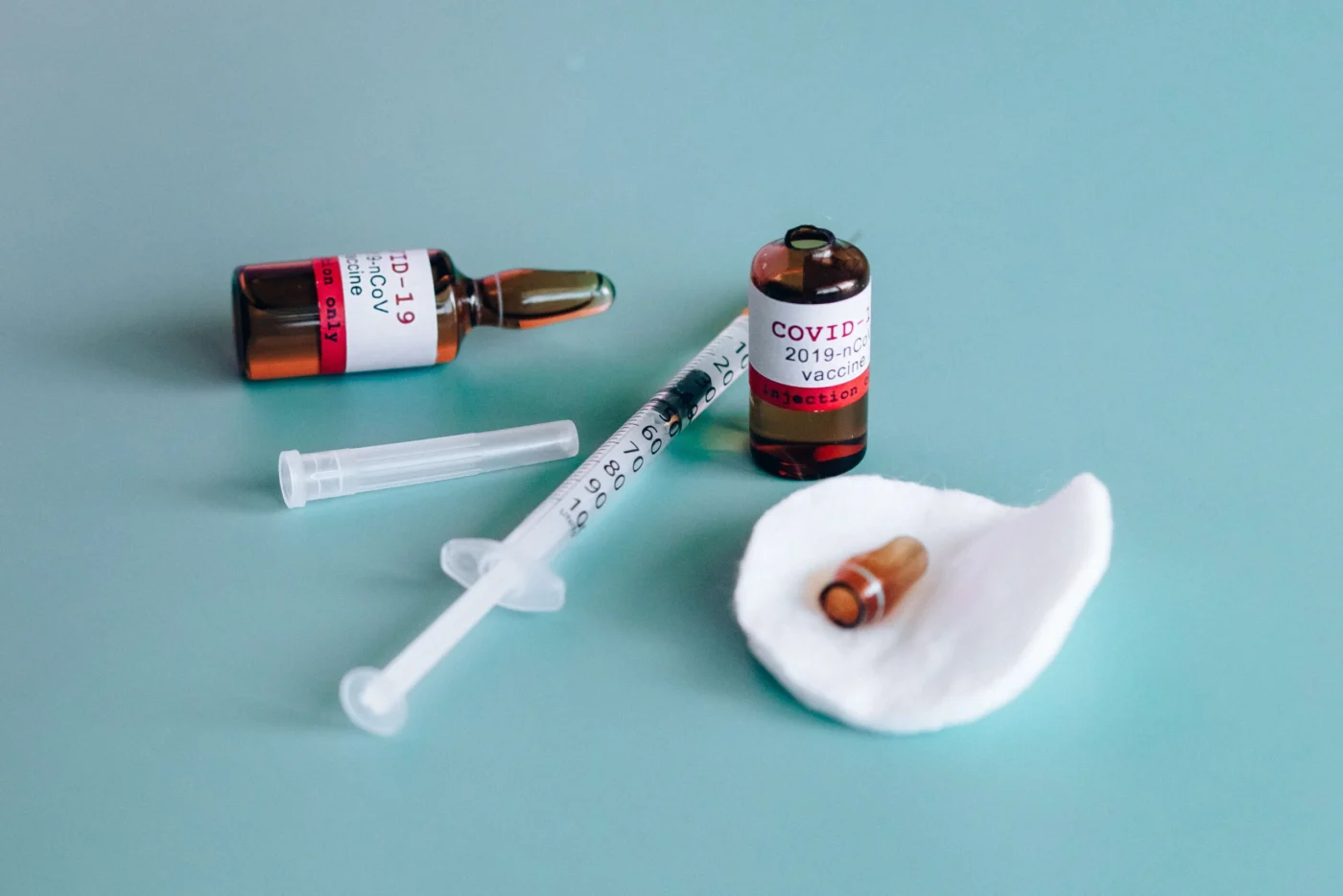
An updated influenza vaccine is recommended every year because immunity can decline and the influenza strains included in the vaccine may change. This guide explains how long flu vaccine protection lasts, how quickly it develops and why last year’s vaccination does not replace the current seasonal dose.
How Does Flu Vaccine Protection Change Over Time?
Flu vaccine protection develops gradually after vaccination and then changes over the following months. The table below shows what to expect:
| Time after vaccination | What is happening |
|---|---|
| Day of vaccination | Your immune system begins responding to the vaccine |
| First 10–14 days | Protection is still developing |
| Around two weeks onward | The vaccine has had time to produce its intended immune response |
| First three to four months | Protection is at its strongest |
| After three to four months | Protection may gradually weaken |
| Next influenza season | An updated annual vaccine is recommended |
The three-to-four-month period is not an expiry date. Some protection may remain beyond this point, but its strength and duration differ between people and influenza strains. This gradual decline is one reason annual vaccination is recommended.
How Long Does the Flu Shot Take to Work?
A flu shot takes about two weeks to develop its intended protective immune response. During this period, your immune system is learning to recognise the influenza strains included in the vaccine and building the antibodies needed to respond to them.
Protection is not immediate. You may still develop influenza after exposure shortly before vaccination or within the following two weeks because your immune response has not had enough time to develop. This does not mean the vaccine caused the infection or failed to work.
The vaccine also cannot treat influenza you already have or shorten an infection that has begun. Receiving it before influenza starts circulating widely allows time for protection to develop, although vaccination can still be worthwhile later in the season because influenza may circulate throughout the year.
Why Does Flu Vaccine Protection Weaken?
Flu vaccine protection weakens because the immune response created by vaccination can decline and influenza viruses continue to change. These are separate but connected reasons:
- Immunity decreases over time. The antibodies and immune protection produced after vaccination do not remain at the same level indefinitely.
- Influenza viruses change. The strains circulating during one season may differ from those circulating the following year.
- The vaccine-strain match can vary. Protection may be better where clinically the vaccine strains closely match the viruses circulating in the community.
- Individual immune responses differ. Age, health conditions, medicines and immune function can influence how strongly a person responds.
This is why there is no single duration that applies equally to every person. The three-to-four-month figure refers to the period of optimal protection rather than a guaranteed result.
Why Is a Flu Vaccine Recommended Every Year?
An annual flu vaccine is recommended because protection can decline and the vaccine is updated for each influenza season. Yearly influenza vaccination is recommended for everyone aged six months and over, unless it is medically unsuitable. A vaccine received in a previous year does not replace the current seasonal dose.
Annual vaccination remains important even if you received a flu shot last year, rarely become unwell, previously had influenza, received the previous vaccine late in the season, or the vaccine formulation appears similar to last year’s vaccine.
Does Last Year’s Flu Shot Still Protect You?
Last year’s flu shot should not be relied on as your protection for the current influenza season. Some residual immune protection may remain, particularly if similar strains continue circulating, but it may be weaker and may not adequately match the current strains.
If you received the previous season’s vaccine late in the year or early in the new year, you should receive the updated current-season formulation when it becomes available.
Do You Need a Second Flu Shot in the Same Year?
Most people need only one flu vaccine each year. A routine second dose is not recommended simply because the first was received early or the influenza season lasts longer than expected.
Two doses at least four weeks apart may be considered for children aged six months to under two years receiving the vaccine for the first time, children aged six months to under nine years with a medical risk condition receiving it for the first time, and people receiving their first influenza vaccine after a stem cell transplant, solid organ transplant or CAR T-cell therapy. Two-dose recommendations depend on age, medical risk and vaccination history — a GP can confirm what applies to you.
Can You Still Catch Influenza After a Flu Shot?
You can still catch influenza after vaccination because no flu vaccine prevents every infection. However, vaccination can reduce your risk of infection and help protect against serious illness.
Influenza may occur after vaccination because you were exposed before protection had time to develop, protection had gradually weakened, the circulating strain was not closely matched by the vaccine, or your immune system produced a weaker response. The injected flu vaccine cannot give you influenza — temporary tiredness, muscle aches, mild fever or injection-site soreness are vaccine reactions, not influenza infection.
Who Should Discuss an Annual Flu Vaccine With a GP?
Speak with a GP or qualified immunisation provider if you are unsure which vaccine, dose or timing applies to you — particularly if your child is receiving a flu vaccine for the first time, you are pregnant or planning a pregnancy, you are aged 65 years or over, you have an immunocompromising condition, or you previously experienced a reaction following vaccination. If you experience a severe allergic reaction after vaccination, call 000 or attend your nearest emergency department immediately.
Smith Street Medical offers flu vaccination appointments across its clinics. Choose your preferred clinic and book an appointment for the current seasonal flu vaccine, or visit the Smith Street Medical homepage to learn more about our services.
Frequently Asked Questions
How long does the flu vaccine last?
Flu vaccine protection is expected to last throughout the influenza season. Protection is strongest during the first three to four months after vaccination and gradually weakens rather than ending suddenly.
How long does a flu shot take to work?
Protection takes about two weeks to develop after a flu shot. You may still catch influenza if you are exposed shortly before vaccination or during these two weeks.
Does the flu vaccine stop working after four months?
Flu vaccine protection does not suddenly end after four months. Protection is highest during the first three to four months and may gradually decline afterwards.
Do I need a flu vaccine every year?
An updated flu vaccine is recommended every year because immunity can weaken and the influenza strains included in the vaccine may change between seasons.
Do adults need two flu shots in one year?
Most adults need one flu vaccine each year. Two doses may be recommended where clinically appropriate, such as after a stem cell transplant, solid organ transplant or CAR T-cell therapy. Individual advice may also be needed for overseas travel.
Can I still catch influenza after being vaccinated?
You can still catch influenza after vaccination because no vaccine prevents every infection. However, vaccination can reduce your likelihood of infection and help protect against serious illness and complications.
Does last year’s flu shot cover this year?
Last year’s flu shot does not replace the current seasonal vaccine. An updated vaccine is recommended because protection can weaken and the circulating influenza strains may differ from the previous season.
Is it too late to get a flu vaccine during winter?
Vaccination can still be beneficial during winter because influenza may continue circulating throughout the season. Ask your vaccination provider for advice based on your health, previous vaccination and travel plans.



Comments are closed