
Yes, in some cases, you may be able to discuss or prepare through a telehealth GP appointment. But it is not automatic.

Whether a Mental Health Care Plan can be done by telehealth depends on Medicare rules, clinical suitability, your relationship with the clinic, and the GP’s assessment. Sometimes a phone or video consult may be enough.
Other times, your GP may recommend an in-person appointment, especially if your situation is complex, you are new to the clinic, or Medicare telehealth requirements are not met.
Medicare Mental Health states that it is not a crisis or emergency service and advises people to call 000 immediately if they are at risk of harm to themselves or others.
Can You Get a Mental Health Care Plan Online?
You may be able to get a Mental Health Care Plan online in Australia if a GP can safely assess your needs through telehealth and the appointment meets relevant Medicare and clinic requirements.
The official Medicare term is Mental Health Treatment Plan, although many patients call it a Mental Health Care Plan. The plan is usually prepared by a GP after discussing your symptoms, mental health history, current supports, goals, and whether Medicare-rebated mental health treatment may be suitable.
A telehealth mental health care plan may be considered if:
- You are already a patient of the clinic
- The GP has enough information to assess you safely
- Your situation is suitable for a phone or video consult
- Medicare telehealth rules are met
- You are not in immediate crisis
- The GP decides that a Mental Health Treatment Plan is clinically appropriate
This means you cannot simply request a plan and automatically receive one. A GP must assess whether a plan is suitable for your situation.
When Telehealth May Be Suitable
A telehealth GP appointment may be suitable for a Mental Health Treatment Plan when your concern can be safely discussed remotely, you have privacy for the call, Medicare requirements are met, and the GP can complete a proper assessment.
Telehealth may work well for patients who want to discuss anxiety, low mood, stress, emotional distress, counselling options, psychology support, or ongoing mental health care with a GP they already know.
However, telehealth may not be suitable if the GP feels you need a more detailed assessment, physical observations, urgent support, or in-person care.
What Is a Mental Health Treatment Plan?
A Mental Health Treatment Plan is a plan prepared by a GP to help you manage mental health concerns such as anxiety, depression, stress, or emotional distress. It allows your GP to assess your needs, discuss suitable support options, and, if appropriate, refer you to an eligible mental health professional for Medicare-rebated sessions.
It may include:
- your symptoms or mental health concerns
- relevant history
- a working diagnosis or clinical impression
- treatment goals
- support options
- referral to an eligible mental health professional
- review and follow-up arrangements
A Mental Health Treatment Plan may help eligible patients access Medicare rebates for mental health treatment sessions under the Better Access initiative. Eligible providers may include psychologists, clinical psychologists, eligible social workers, and eligible occupational therapists.
Services Australia explains that a Mental Health Treatment Plan may include treatment options, referral arrangements, support services, review and follow-up, and may help eligible patients claim sessions with eligible mental health professionals.
How Does a Mental Health Care Plan Telehealth Work?
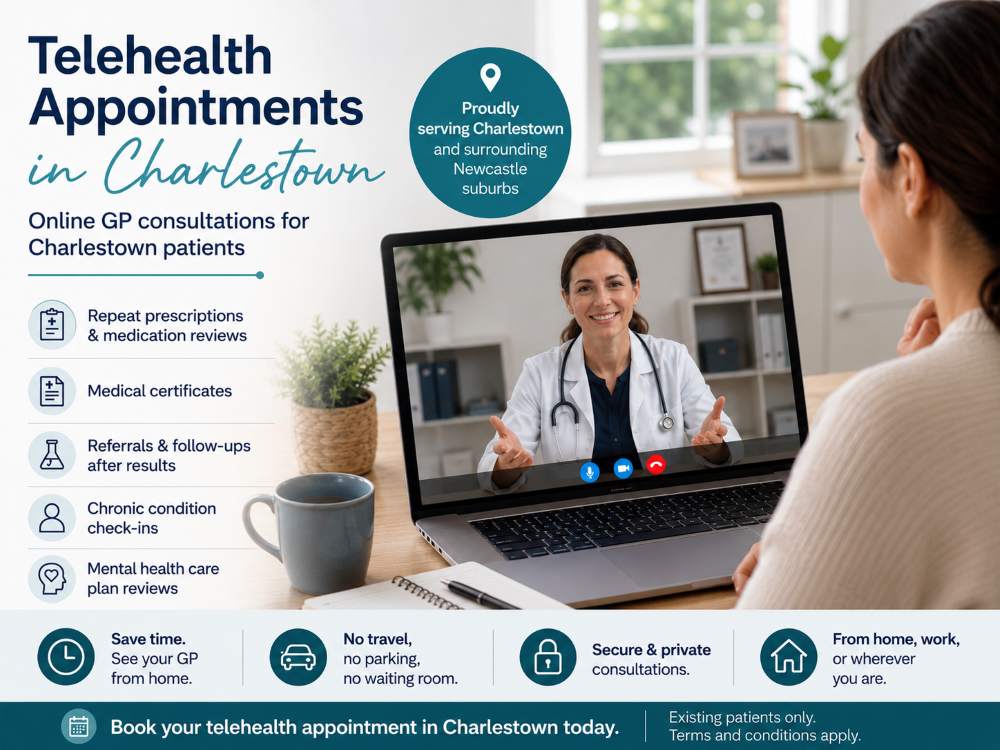
A Mental Health Care Plan telehealth appointment works by allowing you to speak with a GP by phone or video, so they can assess your mental health needs and decide whether a Mental Health Treatment Plan and referral are suitable.
Step 1: Book a GP Telehealth Appointment
When booking, let the clinic know that you want to discuss a Mental Health Treatment Plan. These appointments may need more time than a standard quick consult, so it is better to mention the reason when arranging the appointment.
You should also ask whether a phone or video consult is suitable, whether you meet Medicare telehealth requirements, and whether any fees apply.
Step 2: Discuss Your Mental Health Concerns
During the appointment, the GP will ask about what you have been experiencing. This may include anxiety, low mood, stress, sleep problems, emotional distress, work or family pressure, changes in motivation, or difficulty coping day to day.
You do not need to have everything perfectly prepared. The GP’s role is to guide the conversation and understand what support may be appropriate.
Step 3: GP Assessment
The GP will assess your symptoms, history, risk, current supports, and treatment needs. They may also ask screening questions or use a questionnaire as part of the assessment.
This step is important because a Mental Health Treatment Plan is not automatic. The GP must decide whether it is clinically appropriate.
Step 4: Plan and Referral
If suitable, the GP may prepare a Mental Health Treatment Plan and provide a referral to an eligible mental health professional, such as a psychologist, clinical psychologist, eligible social worker, or occupational therapist.
In some situations, the GP may recommend a follow-up appointment, an in-person review, or another support pathway instead.
Video vs Phone Mental Health Care Plan Appointments
Telehealth can include video or phone, depending on what the clinic offers, what Medicare rules allow, and what is clinically appropriate.
| Appointment Type | When It May Be Suitable | Key Things to Know |
| Video mental health care plan appointment | When a remote appointment is clinically suitable, and video is available through the clinic. | A video consult may help the GP see you, observe visual cues, and make the appointment feel closer to an in-person visit. |
| Phone mental health care plan appointment | When video is not available, internet access is poor, or the GP decides a phone consult is appropriate. | A phone consult may still be suitable in some cases, but it depends on Medicare rules, the clinic’s policy, and the GP’s assessment. |
| In-person mental health care plan appointment | When a more detailed assessment is needed, the situation is complex, or telehealth is not suitable. | Your GP may recommend an in-person visit if they need to assess your needs more closely or if Medicare telehealth requirements are not met. |
Online vs In-Person Mental Health Care Plan Appointments
Online GP services often focus on speed and convenience. That can be helpful, but mental health care also needs safety, context, and follow-up.
A clinic-led approach can be better for many patients because your GP may already understand your medical history, medications, previous referrals, family situation, and ongoing health concerns. This can make the care more personal and appropriate.
| Appointment type | When it may suit | Things to check first |
| Video telehealth GP appointment | When a remote consultation is clinically suitable, and the Medicare rules are met | Check eligibility, privacy, fees, and whether video is available |
| Phone telehealth GP appointment | When video is not available, or not suitable, and the phone is clinically appropriate | Check whether Medicare rules and clinic policy allow it |
| In-person GP appointment | When a more detailed assessment is needed, the patient is new, or the concern is complex | Ask about appointment length, fees, and what to bring |
| Psychologist or allied mental health appointment | After a valid referral, if clinically appropriate | Ask about Medicare rebate, gap fee, and bulk billing |
Who May Benefit from a Telehealth Mental Health Plan Appointment?
A telehealth mental health care plan appointment may be helpful for some patients, especially when remote care is clinically suitable, and Medicare rules are met.
It may suit:
- existing patients of the clinic
- people with work, study, or parenting commitments
- patients who find it difficult to travel to the clinic
- patients who feel more comfortable speaking from home
- people needing follow-up or review support
- patients with mobility or transport challenges
- patients who already have a GP who understands their history
Telehealth can make it easier to start the conversation, but it should still be treated as a proper medical appointment, not just a quick form request.
When a GP May Recommend an In-Person Appointment
A GP may recommend an in-person appointment instead of a telehealth mental health care plan if they feel it is safer or more appropriate.
This may happen when:
- You are new to the clinic
- You have not had a recent face-to-face appointment with the practice
- Medicare telehealth requirements may not be met
- Your symptoms are complex or worsening
- There are safety concerns or crisis risks
- The GP needs more time or more information
- There are concerns about medication, substance use, or other health conditions
- You do not have a private or safe place for the call
- The GP feels an in-person assessment would provide better care
This does not mean your concern is not important. It usually means the GP wants to assess you properly and make sure the right support is arranged.
Does Medicare Cover Online Mental Health Care Plans?
Medicare may cover some telehealth GP services when the relevant rules are met. However, not every online or phone appointment is automatically Medicare-rebated.
Medicare telehealth rules can include requirements about whether you have seen the GP or another practitioner at the same practice face-to-face within a relevant period, commonly the previous 12 months, unless an exemption applies. MyMedicare registration and usual medical practitioner rules may also affect some telehealth arrangements.
Because Medicare rules and clinic billing policies can be specific, it is best to check before booking.
Ask the clinic:
- Am I eligible for a telehealth GP appointment?
- Can this appointment be used to discuss a Mental Health Treatment Plan?
- Will the appointment be Medicare-rebated, privately billed, or bulk billed?
- Is video required, or is phone suitable?
- Do I need a longer appointment?
- Do I need to attend in person first?
Smith Street Medical patients in Charlestown, Kotara, and Gungahlin can ask the reception team what appointment type may be suitable before booking.
What Can Be Discussed in a Telehealth Mental Health Appointment?
A telehealth GP mental health appointment can be used to discuss a wide range of concerns, where clinically appropriate.
This may include:
- anxiety symptoms
- depression or low mood
- stress and burnout
- Sleep issues linked to emotional distress
- difficulty coping with work, study, or family pressure
- grief or adjustment difficulties
- counselling or psychology support options
- previous mental health treatment
- medication concerns
- referral options
The GP may not diagnose everything in one appointment. Sometimes, it takes more than one visit to understand what is happening and prepare the most suitable care plan.
What Happens During a Telehealth Mental Health Plan Appointment?
During a telehealth GP mental health plan appointment, the GP will usually ask about what has been happening and how it is affecting your day-to-day life.
The conversation may include:
- mood, anxiety, sleep, stress, motivation, appetite, and concentration
- How long have the symptoms been present
- work, study, family, or relationship stressors
- previous mental health diagnoses or treatment
- current medications
- alcohol or drug use, where relevant
- safety concerns or thoughts of self-harm
- existing supports
- whether you already have a psychologist or preferred provider
- treatment goals and next steps
The GP may also use a questionnaire or screening tool as part of the assessment. If a Mental Health Treatment Plan is appropriate, the GP may prepare the plan and provide a referral.
Sometimes the GP may need more than one appointment to complete a plan. This can happen if your symptoms require further assessment, if the risk needs careful management, or if more background information is needed.
What to Prepare Before Your Online GP Appointment
A little preparation can make your telehealth appointment more useful.
Before your appointment, try to have:
- Your Medicare card
- a list of current medications
- details of previous mental health treatment
- any previous Mental Health Treatment Plan, if you have one
- names of psychologists, counsellors, or psychiatrists you have seen before
- the name of a preferred psychologist or provider, if you already have one
- key symptoms you want to discuss
- How long have the symptoms been happening
- Any urgent concerns you want the GP to know about
- a private, quiet space for the phone or video consult
- questions about fees, Medicare rebates, and referral options
If you are worried you may forget what to say, write down a few notes before the appointment. You do not need to explain everything perfectly. The GP’s role is to ask questions and help guide the conversation.
What Happens After You Get a Mental Health Care Plan?
If the GP decides a Mental Health Treatment Plan is appropriate, they may provide a plan and referral to an eligible mental health professional.
After that, you may need to:
- Contact the psychologist or allied mental health provider
- Ask about appointment availability
- Ask whether they offer in-person or telehealth sessions
- ask about fees, Medicare rebates, gap fees, and bulk billing
- attend the initial course of treatment
- Return to your GP for review if more sessions are needed
A referral is often made for an initial course of treatment, commonly up to 6 sessions. If further sessions are needed, your GP may review your progress and decide whether another referral is suitable.
MBS Online states that Better Access referrals may cover an initial course of up to 6 individual services, with further services available within the annual cap where clinically appropriate. It also confirms that a Mental Health Treatment Plan is not itself considered a referral.
Can Smith Street Medical Help With Telehealth Mental Health Appointments?
Smith Street Medical can support patients who want to speak with a GP about their mental health and whether a Mental Health Treatment Plan may be suitable.
Depending on your situation, this may involve a telehealth appointment with a GP or an in-person appointment at one of the clinic locations. Patients in Charlestown, Kotara, and Gungahlin can ask about the most appropriate appointment type when booking.
A GP can help you understand:
- whether a Mental Health Treatment Plan may be suitable
- whether telehealth is appropriate for your situation
- whether Medicare rules may apply to your appointment
- What referral options may be available
- What to do next if you need psychology, counselling, or other support
Smith Street Medical does not promise that every patient can get a mental health care plan online, and does not promise that every appointment or psychology session will be bulk billed. The right pathway depends on your clinical needs, Medicare eligibility, and the provider’s billing policy.
FAQs
Frequently Asked Questions
Helpful information about booking, availability and what to expect.
Yes, you may be able to get a Mental Health Care Plan online in Australia if a telehealth GP appointment is clinically appropriate, the Medicare rules are met, and the GP decides that a Mental Health Treatment Plan is appropriate. It is not automatic, and some patients may need an in-person appointment.
In some cases, a Mental Health Care Plan may be discussed by phone if phone telehealth is clinically appropriate and allowed under Medicare and clinic policy. Video may be preferred in some situations because it gives the GP more visual information during the assessment.
Video may be preferred for some mental health appointments because it allows the GP to see you and assess you more than voice alone can. However, a phone may still be suitable in some cases if video is not available or not clinically necessary.
An online or telehealth Mental Health Treatment Plan appointment may be Medicare-reimbursed if it meets Medicare telehealth rules and the clinic bills it under an eligible Medicare item. Not every online GP appointment is automatically covered, so check the billing policy before booking.
Not automatically. A Mental Health Treatment Plan may help eligible patients access Medicare rebates for up to 10 individual sessions per calendar year, but the sessions are only free if the provider bulk bills. Many providers charge a gap fee or private fee.
Frequently Asked Questions
Can I get a Mental Health Care Plan online in Australia?
Yes, you may be able to get a Mental Health Care Plan online in Australia if a telehealth GP appointment is clinically appropriate, the Medicare rules are met, and the GP decides that a Mental Health Treatment Plan is appropriate. It is not automatic, and some patients may need an in-person appointment.
Can I get a Mental Health Care Plan by phone?
In some cases, a Mental Health Care Plan may be discussed by phone if phone telehealth is clinically appropriate and allowed under Medicare and clinic policy. Video may be preferred in some situations because it gives the GP more visual information during the assessment.
Is video better than phone for a mental health plan?
Video may be preferred for some mental health appointments because it allows the GP to see you and assess you more than voice alone can. However, a phone may still be suitable in some cases if video is not available or not clinically necessary.
Does Medicare cover telehealth mental health care plans?
An online or telehealth Mental Health Treatment Plan appointment may be Medicare-reimbursed if it meets Medicare telehealth rules and the clinic bills it under an eligible Medicare item. Not every online GP appointment is automatically covered, so check the billing policy before booking.
Can I get 10 free psychology sessions after a telehealth Mental Health Care Plan?
Not automatically. A Mental Health Treatment Plan may help eligible patients access Medicare rebates for up to 10 individual sessions per calendar year, but the sessions are only free if the provider bulk bills. Many providers charge a gap fee or private fee.


Comments are closed