
A child can have ear pain without a fever. Possible causes include a middle-ear infection, irritation in the outer ear, pressure behind the eardrum, earwax, an injury, a foreign object or pain referred from the throat, teeth or jaw.
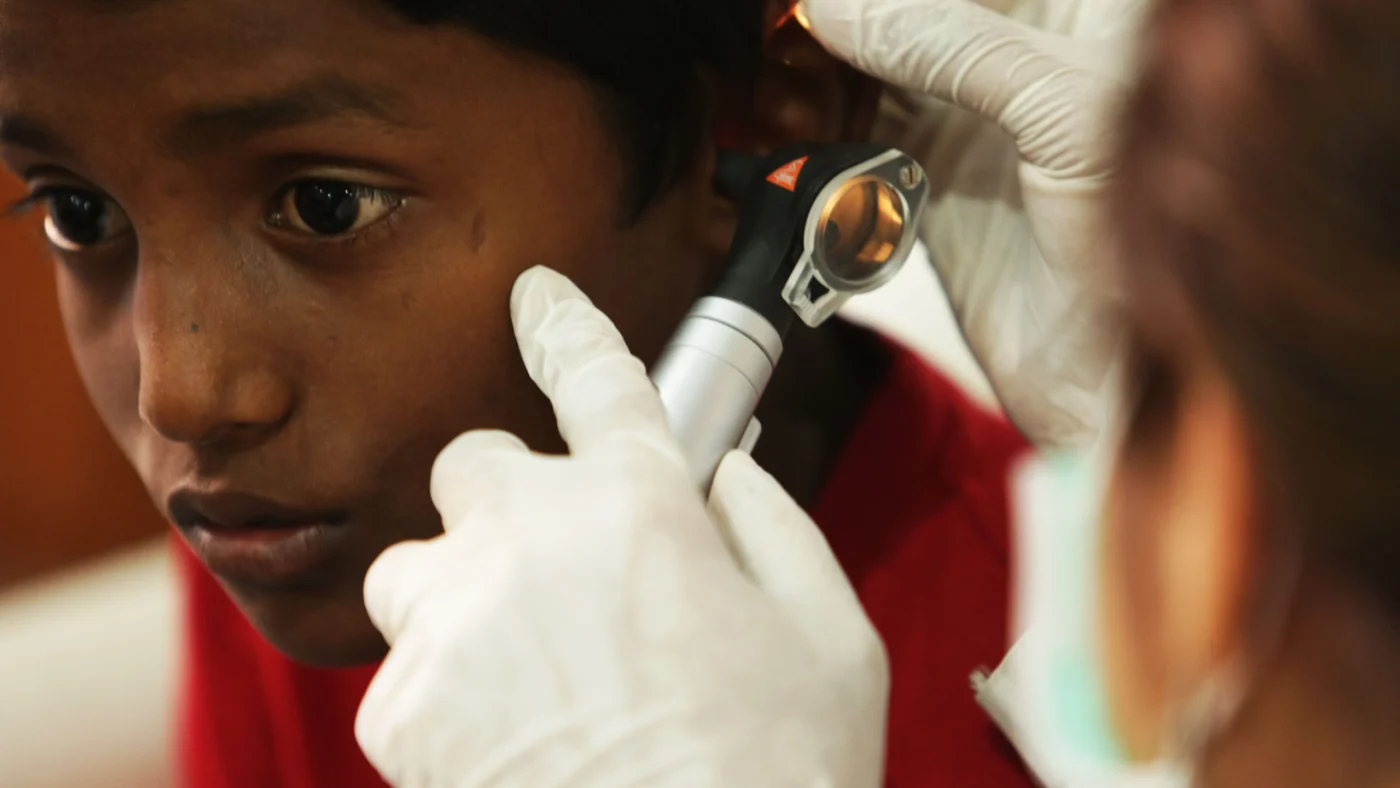
The absence of fever does not rule out an infection or mean the problem is minor. Because several conditions cause similar symptoms, the ear canal and eardrum may need to be examined before the cause can be confirmed.
This article explains what parents can safely do overnight, when to arrange a GP appointment and which symptoms need urgent medical care.
Can a Child Have an Ear Infection Without a Fever?
A child can have an ear infection without a fever. Fever is only one possible symptom and may be absent in both middle-ear and outer-ear infections.
Other signs can include ear pain, irritability, disturbed sleep, reduced hearing, poor appetite or balance problems. Babies may cry, rub an ear or become unsettled, but these behaviours do not confirm an infection. A healthcare professional needs to examine the ear canal and eardrum with an otoscope before confirming the cause.
Why Can Ear Pain Feel Worse at Night?
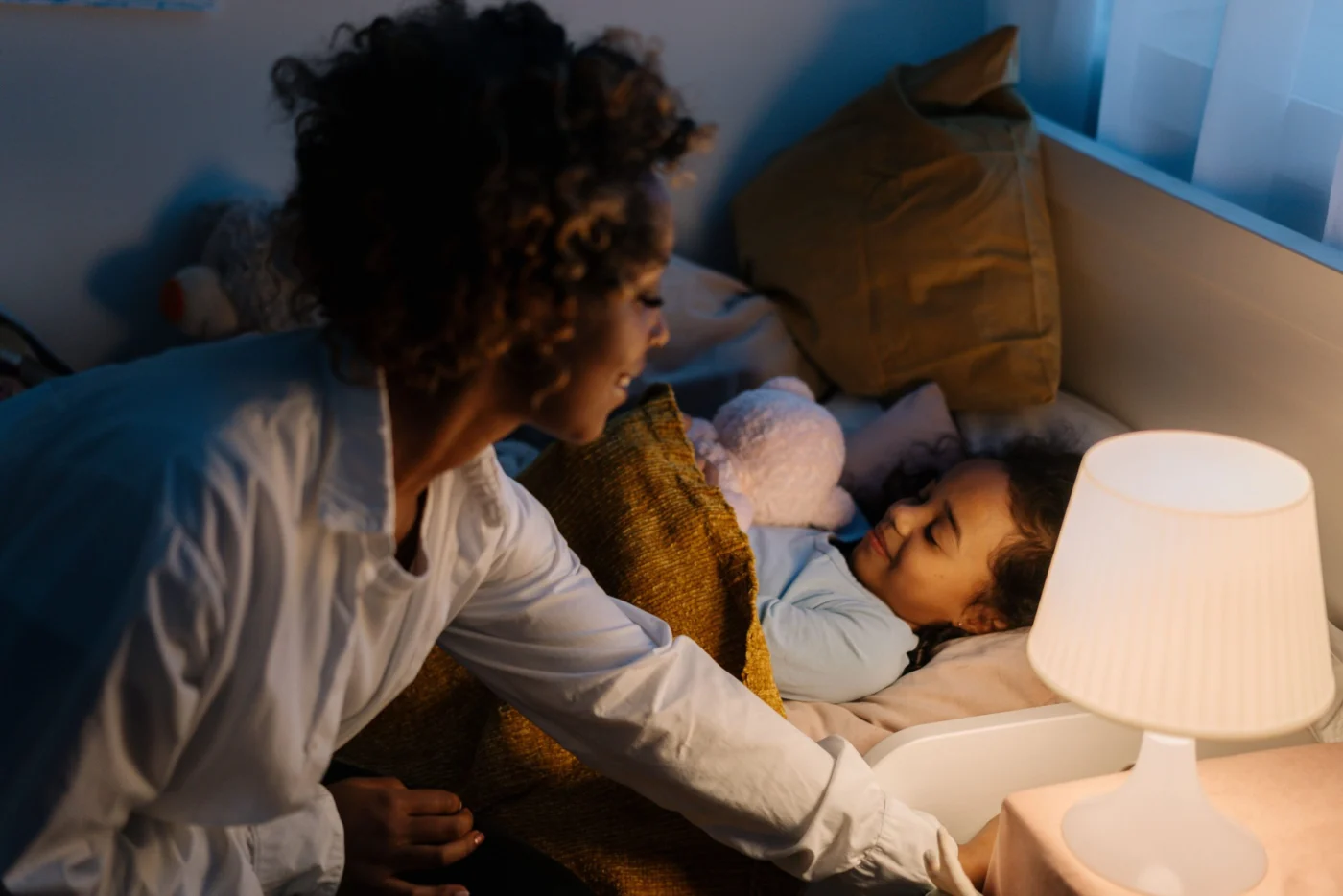
Ear pain can feel worse at night because there are fewer distractions and congestion from a cold can feel more uncomfortable when a child lies down. Night waking or crying does not confirm an ear infection. Pain that repeatedly wakes a child, prevents sleep or does not improve with suitable pain relief needs medical assessment.
An older child can rest with their head slightly raised while awake. Babies should still sleep on their back on a firm, flat surface — do not place pillows, wedges or loose items in a baby’s sleep space.
What Can Cause Sudden Ear Pain in a Child?
Sudden ear pain can start in the ear or be felt from the throat, teeth or jaw. Because several conditions cause similar symptoms, an ear examination may be needed to confirm the cause.
| Possible cause | Signs parents may notice |
|---|---|
| Middle-ear infection | Pain during or after a cold, irritability, disturbed sleep, fever or reduced hearing |
| Outer-ear infection | Pain after swimming, itching, discharge or tenderness when the outer ear is touched |
| Fluid behind the eardrum | Fullness, popping or reduced hearing, especially after a cold |
| Earwax blockage | Fullness, discomfort or reduced hearing |
| Foreign object | One-sided pain, discharge, bleeding, reduced hearing or an unpleasant smell |
| Perforated eardrum | Sudden pain followed by fluid, pus or blood from the ear, sometimes with reduced hearing |
| Throat or tonsil infection | Sore throat, painful swallowing or swollen neck glands |
| Dental or jaw pain | Tooth sensitivity, gum swelling, jaw tenderness or pain while chewing |
| Teething | Drooling, sore gums and increased chewing in a younger child |
Do not try to remove wax or a suspected object at home. Cotton buds and other tools can push it deeper or damage the ear canal or eardrum.
What Can Parents Do for Child Ear Pain at Night?
If your child has mild ear pain and no warning signs, focus on easing the discomfort and checking whether their condition changes overnight.
- Check whether your child is alert, drinking, passing urine and responding normally
- Look for redness, swelling, discharge or an ear that appears pushed forward
- Ask about hearing changes, vomiting, dizziness, balance problems or recent swimming, flying or injury
- Give age-appropriate paracetamol or ibuprofen only when it is suitable for your child, following the product label or advice from a pharmacist or doctor
- Place a comfortably warm, not hot, cloth against the outside of the ear
- Offer regular fluids and keep water out of the ear if there is discharge
- Note when the pain began and whether it is improving or getting worse
Ibuprofen is not suitable for every child, including some children who are dehydrated, have certain medical conditions or take interacting medicines. Paracetamol must also be measured carefully and kept within the dose limits on the label.
Arrange medical assessment if the pain is severe, keeps waking your child, becomes worse or does not settle with suitable pain relief.
When Should I Call a GP About My Child’s Ear Pain?
Arrange a GP assessment when the pain is severe, keeps returning, does not settle or occurs with other ear or illness symptoms.
| Situation | What to do |
|---|---|
| Mild pain that settles with suitable pain relief | Continue home care and seek advice if it returns or worsens |
| Pain that keeps waking the child or has not improved within 24 to 48 hours | Arrange a prompt GP appointment |
| Discharge, blood, reduced hearing, vomiting, dizziness or balance problems | Seek medical assessment |
| Repeated infections or ongoing hearing concerns | Book a GP review and discuss whether a hearing check is needed |
| A child under two or with reduced immunity or complex medical needs | Seek medical advice earlier |
| Pain after an injury or a suspected object in the ear | Do not attempt removal at home; arrange prompt assessment |
When Is Child Ear Pain Urgent?
Seek urgent medical care when ear pain occurs with signs of a serious infection, injury or sudden change in your child’s hearing, balance or alertness.
Seek Urgent Medical Care
Take your child for urgent assessment if they have redness, pain or swelling behind the ear, an ear that appears pushed forward, severe or rapidly worsening pain, fluid, pus or blood coming from the ear, sudden hearing loss, marked dizziness or trouble balancing, repeated vomiting, severe headache or neck stiffness, unusual drowsiness or confusion, signs of dehydration, a significant head or ear injury, or a sharp object or an object lodged deep in the ear.
Swelling behind the ear with the ear pushed forward can be a sign of mastoiditis, a rare complication that needs prompt hospital assessment. A known or suspected button battery in the ear also requires immediate care — do not insert drops, liquids or tools. Call the Poisons Information Centre on 13 11 26 while arranging urgent hospital assessment.
Call Triple Zero 000
Call Triple Zero if your child is unconscious or cannot be woken, has severe breathing difficulty, is having a seizure, is bleeding heavily, has suffered a serious head injury, or has another immediate life-threatening symptom.
How Does a GP Assess Ear Pain in a Child?
A GP will ask when the pain began and whether your child has recently had a cold, been swimming or flying, injured the ear or placed anything inside it. They will examine the outer ear, ear canal and eardrum with an otoscope, and the throat, nose, teeth or jaw may also be checked. If infections keep returning or hearing changes continue, the GP may recommend a hearing test or referral to a specialist.
Does a Child With Ear Pain Need Antibiotics?
Antibiotics are not needed for every child with ear pain. Many middle-ear infections settle without them, although pain relief may still be needed while the ear heals. A GP will look at your child’s age, symptoms, ear examination, discharge and medical history before deciding on treatment. Do not use leftover antibiotics or medicine prescribed for someone else.
Can Ear Pain in Children Be Prevented?
You cannot prevent every earache, but a few everyday habits can reduce the chance of infection or irritation: keep childhood vaccinations up to date, keep children away from cigarette and vape smoke, do not place cotton buds or other objects inside the ear canal, dry the outside of the ear gently after swimming, encourage regular handwashing, follow up repeated infections or hearing changes with a GP, and avoid bottle-feeding a baby while they are lying flat.
If your child’s ear pain is not settling, keeps returning or comes with discharge, hearing changes or disturbed sleep, an in-person GP appointment at your nearest Smith Street Medical centre is the next step, or visit the homepage for more information.
Frequently Asked Questions
Can a child have an ear infection without a fever?
A child can have an ear infection without developing a fever. Ear pain, irritability, disturbed sleep, discharge or reduced hearing may still occur, but an examination is needed to confirm the cause.
Why does my child's ear hurt more at night?
Ear pain may feel stronger at night because there are fewer distractions and congestion can feel more uncomfortable while resting. Night-time pain alone does not confirm an ear infection.
What can I give my child for ear pain at night?
Age-appropriate paracetamol or ibuprofen may ease ear pain when suitable for your child. Follow the product label and ask a pharmacist or doctor if you are unsure about the dose or medicine.
Can I put ear drops in my child's painful ear?
Ear drops should only be used after a pharmacist or clinician confirms they are suitable. Some drops can be unsafe when the eardrum is perforated or the cause of the pain is unclear.
Is fluid coming from my child's ear an emergency?
Fluid, pus or blood from the ear needs prompt medical assessment. Seek urgent care if it occurs with swelling behind the ear, sudden hearing loss, severe dizziness, injury or a child who appears very unwell.
How long should child ear pain last before seeing a GP?
Arrange a GP assessment if the pain has not started to improve within 24 to 48 hours, keeps waking your child or does not settle with suitable pain relief. Seek care sooner if symptoms are severe or getting worse.


Comments are closed