
You can get a tetanus-containing vaccine from a GP clinic or another authorised vaccination provider. A GP clinic is a suitable place to start for both a routine booster and a recent wound, as a clinician can check your vaccination history, examine the injury and decide what care may be needed.
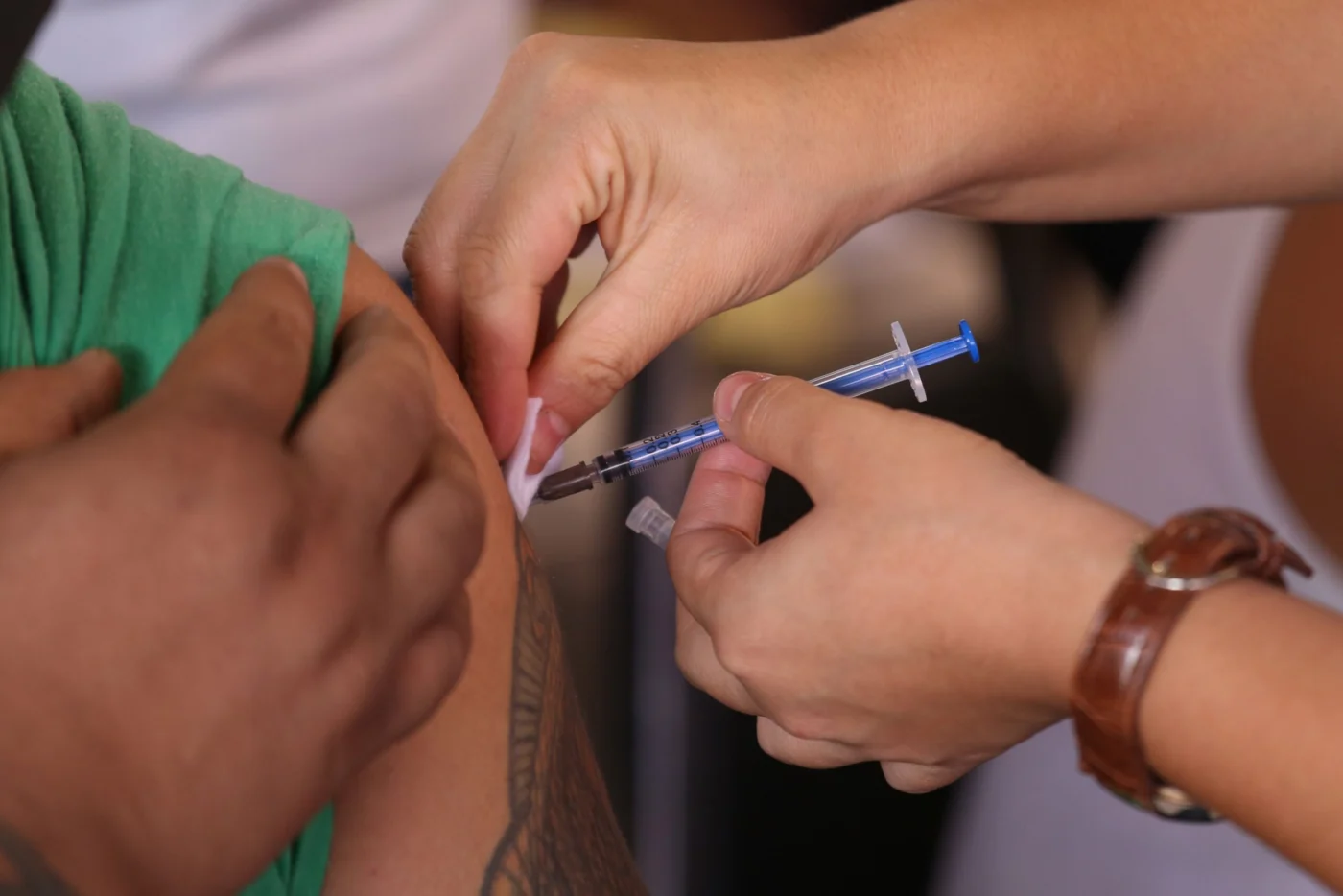
Routine vaccination may also be available through authorised pharmacies, community vaccination services, travel clinics and workplace health providers. Age requirements, funding, vaccine availability and provider rules can differ across Australian states and territories.
A cut, puncture, bite, burn or contaminated wound may need cleaning and other treatment as well as vaccination. The five-year and ten-year booster thresholds apply in different situations, so the decision depends on the type of wound, your previous doses and when your last dose was given.
Where Can I Get a Tetanus Shot?
A GP clinic is a suitable place to arrange a routine tetanus booster or have a recent wound assessed. Tetanus-containing vaccination may also be available through an authorised pharmacy, a community vaccination service, a travel vaccination clinic, a workplace health provider, a Medicare Urgent Care Clinic, or an emergency department when the injury requires hospital-level treatment.
Contact the provider before a routine appointment to confirm availability and costs, but do not delay prompt assessment of a deep, dirty, puncture or otherwise concerning wound.
What Tetanus Vaccine Is Given to Adults?
In Australia, tetanus vaccination is given as part of a combination vaccine rather than as a tetanus-only injection. These vaccines also protect against diphtheria and, in some cases, pertussis. Adults may come across dT, which protects against diphtheria and tetanus, or dTpa, which protects against diphtheria, tetanus and pertussis.
The vaccine used will depend on factors such as age, previous doses, pregnancy, pertussis vaccination history and why the vaccine is being given. It helps protect against tetanus, but it does not replace proper wound cleaning, examination or treatment.
When Do Adults Need a Routine Tetanus Booster?
Australian guidance advises a dTpa booster at age 50 and again at age 65 when the last tetanus-containing vaccine was given more than 10 years earlier. dTpa also protects against diphtheria and pertussis.
| Situation | What to consider |
|---|---|
| At age 50 | A booster when the last tetanus-containing dose was more than 10 years ago |
| At age 65 | A booster when the last dose was more than 10 years ago |
| Incomplete records | Previous doses should be checked before a catch-up plan is arranged |
| Travel or work exposure | Timing may change based on the activity and vaccination history |
A tetanus booster is not automatically required every 10 years. Routine timing is based on age and previous doses, while wound-related vaccination follows a separate pathway.
Do I Need a Tetanus Shot After a Cut or Wound?
You do not need a tetanus shot after every cut. The decision depends on the type of wound and when you last had a tetanus-containing vaccine.
- Clean minor wound: A booster may be recommended if your last dose was more than 10 years ago
- Deep, dirty, puncture or other tetanus-prone wound: A booster may be recommended if your last dose was more than five years ago
- Uncertain or incomplete vaccination history: A clinician may recommend a vaccine and, for some wounds, tetanus immunoglobulin
It is not always easy to tell whether a wound is tetanus-prone. A clinician can examine the injury and check your vaccination history before deciding what treatment is needed.
What Is a Tetanus-Prone Wound?
A tetanus-prone wound is any wound that is not a clean, minor cut. The risk depends on factors such as depth, contamination, damaged tissue, foreign material and how the injury happened — including deep or puncture wounds, human or animal bites, compound fractures, wounds with dirt or foreign material, burns, and wounds contaminated with soil, dust or manure.
A wound does not need to involve metal to carry a tetanus risk. A rusty object may cause a deep or contaminated puncture, but rust itself does not cause tetanus.
What Should I Do Immediately After a Cut or Puncture?
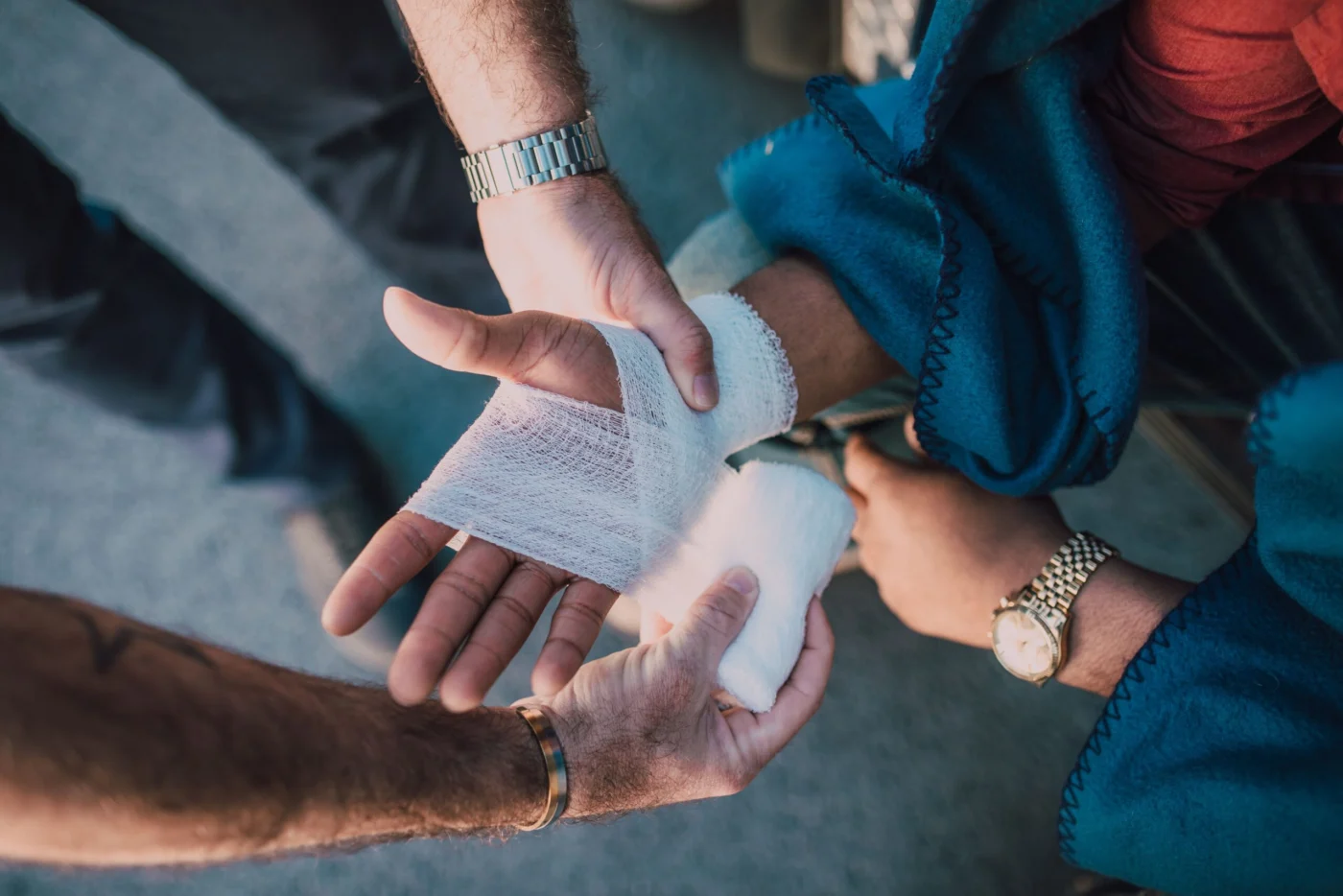
For a minor cut or puncture, stop the bleeding, rinse the wound and cover it with a clean dressing. Apply firm pressure with a clean cloth or bandage, wash your hands before touching the area and rinse the wound with clean running water or saline. Remove only loose dirt or debris that comes away easily, then apply a non-stick dressing or clean bandage.
Do not probe a deep or puncture wound, remove a deeply embedded object, pour bleach or hydrogen peroxide into the wound, use leftover antibiotics, or delay medical assessment while looking for vaccination records.
How Soon Should I Get a Tetanus Shot After an Injury?
Get the wound checked promptly if it is deep, dirty or caused by a puncture, especially if you are unsure when you last had a tetanus shot. See a doctor or nurse within a day if your last tetanus shot was more than 10 years ago, you cannot remember your last dose, you have had fewer than three doses, or your last dose was more than five years ago and the wound is dirty or deep.
Some injuries need care sooner, including bites, wounds near the eye or a joint, and bleeding that does not stop. Do not wait for symptoms — even if the injury happened a few days ago, it should still be checked.
What If I Cannot Remember My Last Tetanus Shot?
A clinician can check your Australian Immunisation Register history statement and any other records you have, including previous GP records, childhood records, workplace files, travel-clinic records or written overseas vaccination records. A missing AIR entry does not always mean the dose was never given. Do not delay care for a concerning wound while trying to find your vaccination history.
What Is Tetanus Immunoglobulin?
Tetanus immunoglobulin is different from a tetanus-containing vaccine. It provides ready-made antibodies for short-term protection, while the vaccine helps the body build its own longer-term immune response. It may be considered after a tetanus-prone wound when a person has received fewer than three tetanus-containing vaccine doses, has an uncertain vaccination history, has HIV, or has a humoral immune deficiency.
Can Antibiotics Prevent Tetanus After a Wound?
Antibiotics cannot prevent tetanus and do not replace a tetanus-containing vaccine or tetanus immunoglobulin. They may still be prescribed when the wound has a separate bacterial infection.
When Does a Wound Need Prompt or Emergency Care?
A wound needs urgent medical care if it is deep, dirty, gaping, caused by a bite, near the eye or over a joint. Seek care if bleeding continues, something may be lodged in the wound or your tetanus vaccination history is unclear.
Call Triple Zero 000 if bleeding is severe or cannot be controlled, the person is losing consciousness, the person has trouble breathing, or an object is protruding from the wound. Do not remove an object lodged in the wound — apply pressure around it and follow the emergency operator’s instructions.
Is a Tetanus Shot Free in Australia?
A tetanus-containing vaccine may be free if you meet the requirements of the National Immunisation Program or a state or territory program. Routine adult boosters outside the funded schedule may need to be purchased privately. Even when the vaccine is funded, you may still be charged for the consultation, vaccine administration or a privately supplied vaccine. A funded vaccine does not always mean the full appointment will be free.
If you have a recent wound or cannot remember when you last had a tetanus-containing vaccine, a GP at your nearest Smith Street Medical centre can review your vaccination history and examine the injury, or visit the homepage for more information. A deep, dirty or puncture wound should be assessed without delay.
Frequently Asked Questions
Where can I get a tetanus shot?
You can get a tetanus-containing vaccine from a GP clinic or another authorised vaccination provider. Some pharmacies, community clinics, travel clinics and workplace health services may also offer it.
Do I need a tetanus shot after a small cut?
A small, clean cut does not always require a booster. The decision depends on your vaccination history and how long it has been since your last tetanus-containing dose.
Do I need a tetanus shot after stepping on a rusty nail?
A nail puncture should be checked because puncture wounds can be tetanus-prone. Rust itself does not cause tetanus, and the need for a booster depends on your previous doses and when the last one was given.
How soon after a wound should I get a tetanus shot?
Have a deep, dirty or puncture wound checked as soon as possible, especially if you cannot remember your last tetanus shot. Do not wait for symptoms before seeking care.
Do I need a booster if my last tetanus shot was five years ago?
A booster may be recommended when more than five years have passed and the wound is tetanus-prone. A clean minor wound follows a different timeframe.
What if I cannot remember my last tetanus shot?
A clinician can review your Australian Immunisation Register history statement and any other vaccination records you have. Do not delay care for a concerning wound while searching for paperwork.

Comments are closed